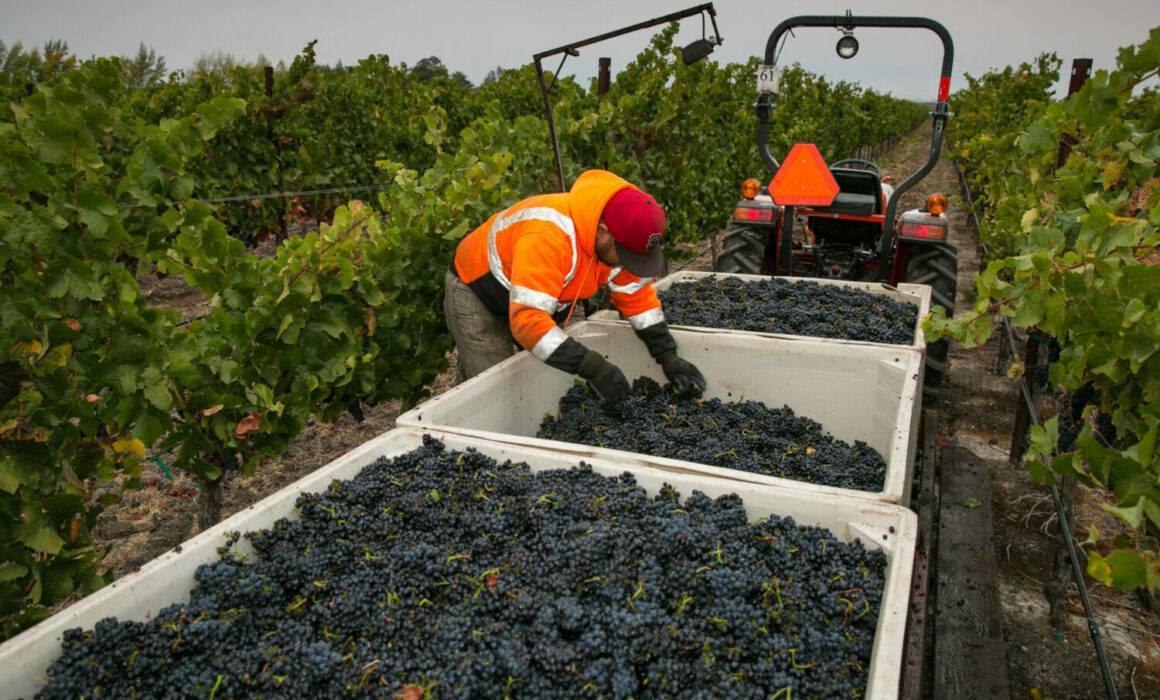
Gundlach Bundschu files for Chapter 11, and Sonoma Valley watches 168 years of family ownership hang in the balance
The valley's oldest continuously family-owned winery entered bankruptcy court September 23 with more than $37 million in debt. The tasting room stays open, an unidentified new investor is in talks, and the Bundschu family says it plans to remain involved.
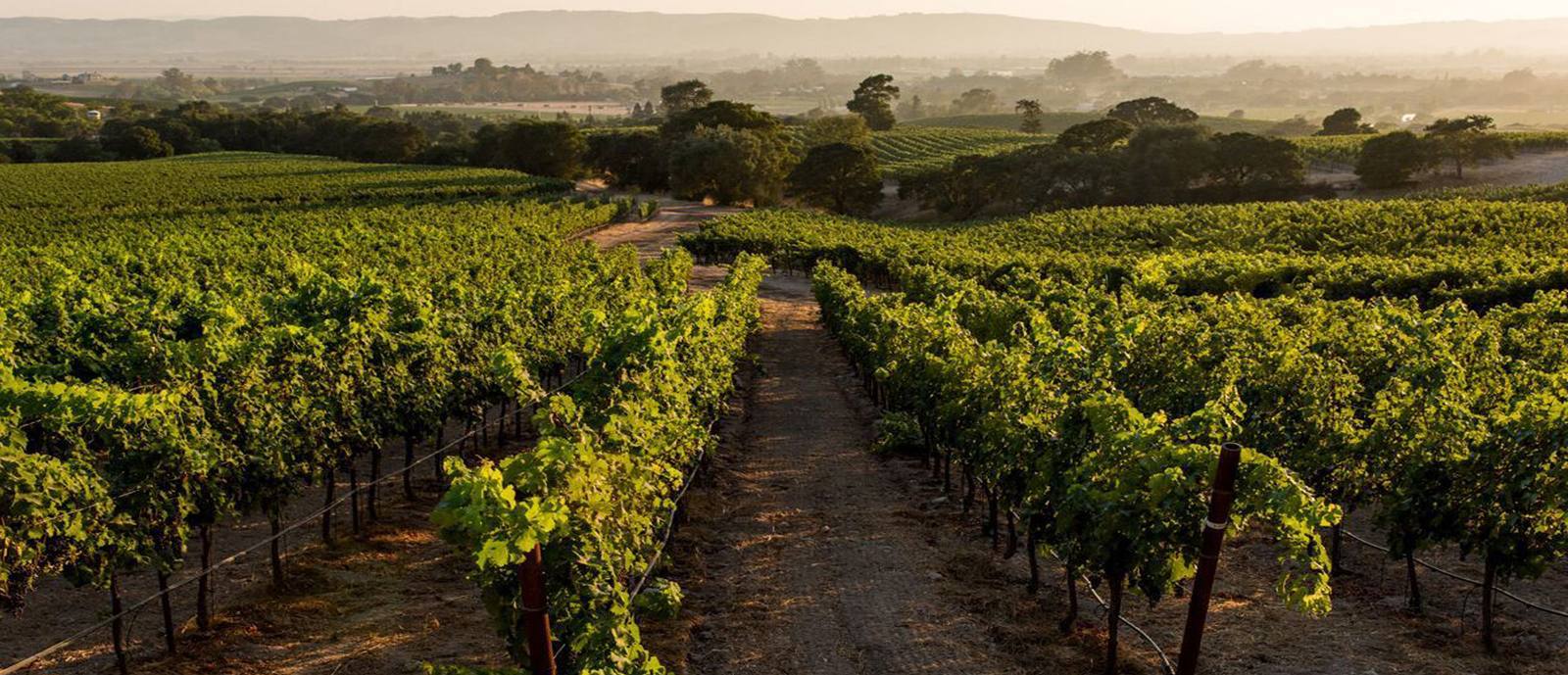
SONOMA: The most familiar name on a Sonoma Valley wine label is headed into bankruptcy court. Gundlach Bundschu Winery, founded in 1858 and still described as California's oldest continuously family-owned winery, filed for Chapter 11 protection on Wednesday, September 23, through its operating company, Vineburg LLC, in the U.S. Bankruptcy Court for the Northern District of California.
Court records list roughly $17.2 million in assets against about $39.1 million in liabilities. Major lenders named in the reporting include American AgCredit and Tiverton Advisors, the latter holding a disputed $18 million claim, according to bankruptcy documents.
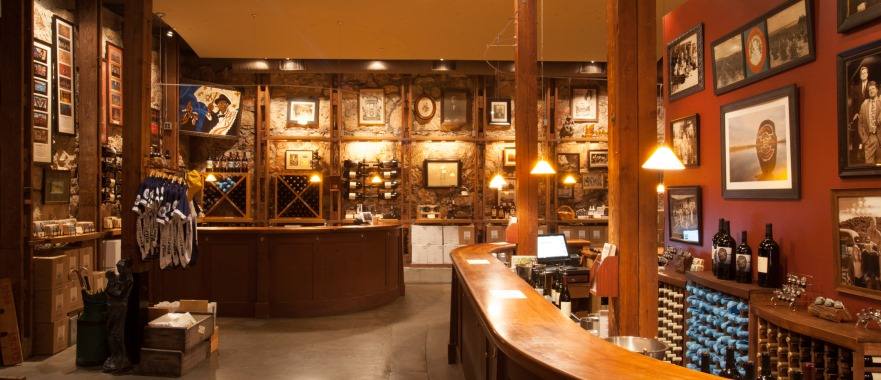
The winery says it will keep pouring. The company has said the winery and tasting room will remain open during the court-supervised restructuring, while it works with a possible new investor who has not been publicly identified. The sixth-generation family behind the estate, led by chief executive Jeff Bundschu alongside his sister Katie Bundschu, says family members plan to remain involved in the business even as the restructuring is expected to end the family's majority ownership.
The company has endured more than a century-and-a-half of historic challenges and transformational change; however, this Chapter 11 filing is unprecedented for our family and our company.Jeff Bundschu, chief executive of Gundlach Bundschu, in a declaration filed with the Chapter 11 petition
We enter this process with great humility and remorse for the burden the company's financial distress places on our employees, vendors, lenders, customers, and community.Jeff Bundschu, in the same court declaration
The strain traces to a deal struck just before the pandemic. In February 2020 the company took on debt to acquire a 60-acre winery and vineyard in nearby Glen Ellen as the home of Abbot's Passage, the brand Katie Bundschu founded in 2016. Within weeks, COVID-19 shut down tasting rooms and disrupted the hospitality business the expansion was meant to grow.
What followed was a broader slump across the wine business: declining demand, excess inventory, distributor consolidation, and weaker demand for grapes and contract production. The company says it cut costs by more than 40 percent over the past three years, reduced its workforce from about 102 employees to 63, and closed the Abbot's Passage tasting room in June as it tried to stabilize its finances. Family members also put personal assets into the business and sought outside investment or acquisition offers before turning to Chapter 11.
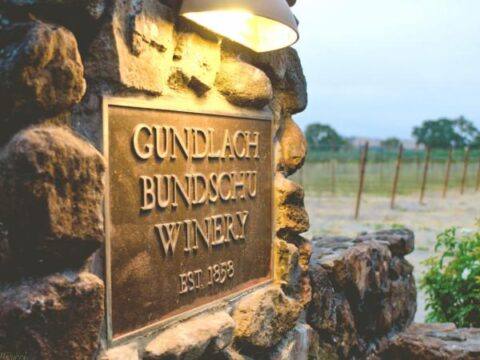
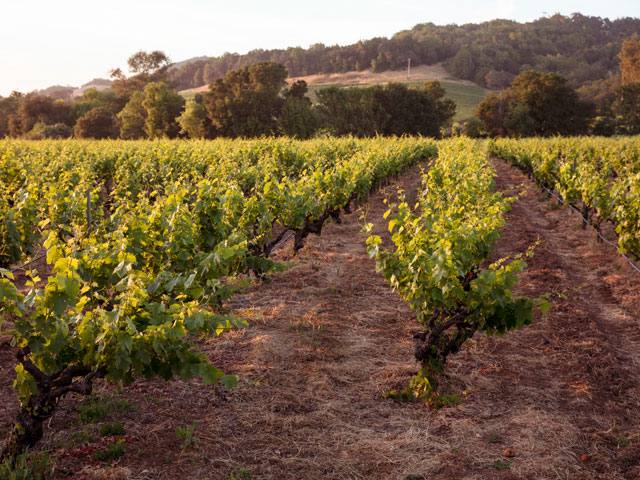
For a family that has farmed the same Sonoma Valley ground since Jacob Gundlach established what became Rhinefarm in 1858, the filing closes one era and opens an uncertain next one. The estate survived the 19th-century phylloxera outbreak, the 1906 San Francisco earthquake and fire, Prohibition, recessions and major California wildfires. Six generations later, locals know it simply as GunBun.
Our family has been entrusted with this land for six generations. We are fighting for the opportunity to help ensure that the seventh generation, and the Sonoma Valley community that has grown alongside us, has a future here.Jeff Bundschu, in the company's announcement of the filing
The winery says it will continue serving wine club members, hosting visitors and holding scheduled events while the case proceeds. What comes out of the restructuring, and who owns it, now runs through the bankruptcy court.
None to date. The Tribune corrects errors promptly and transparently. Read our corrections policy.